Running Nowhere: The Secret Routes Elite NFL Receivers Use That Broadcasts Will Never Show You
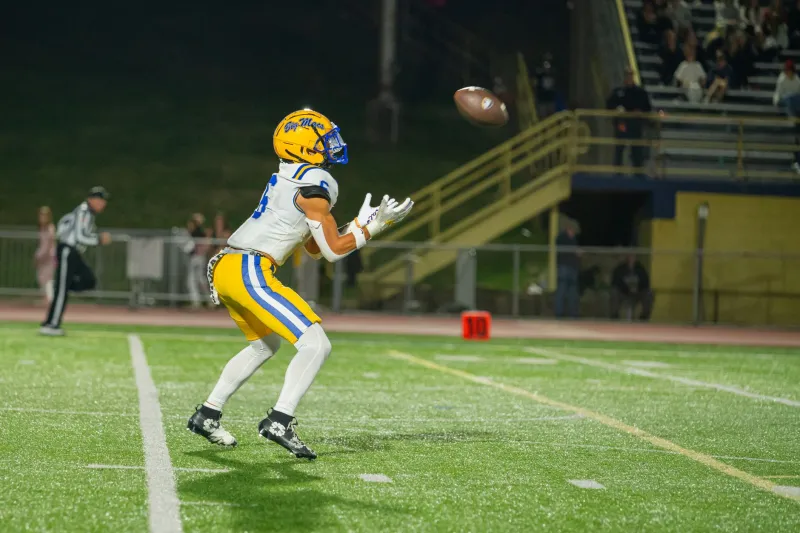
Every Sunday, millions of fans plant themselves in front of their screens convinced they're watching the whole game. They're not. A significant chunk of what actually decides football outcomes is happening completely off-camera, in spaces the broadcast truck has no interest in — or frankly, no ability — to cover.
We're talking about routes that don't exist on any whiteboard. Movements that aren't choreographed so much as felt. And the receivers running them are separating themselves from the pack in ways that stats, highlights, and studio analysts almost never touch.
The Playbook Is a Suggestion
Here's the thing most casual viewers don't realize: what's drawn up in the playbook is closer to sheet music than it is to a performance. The notes are there, sure. But how a receiver actually moves — the hesitation, the stutter, the shoulder fake that comes half a beat early — that's improvisation built on thousands of repetitions.
Coaches call it "route running within the route." It sounds like a contradiction until you watch someone like Stefon Diggs or Davante Adams work a cornerback from the line of scrimmage. The official route might be a 12-yard out. But everything that happens in the first seven yards? That's a negotiation happening in real time, between the receiver's instincts and the defender's tendencies.
Broadcasts almost never show you that negotiation. By the time the camera widens to catch the full picture, the deal is already done.
Why the Camera Lies By Omission
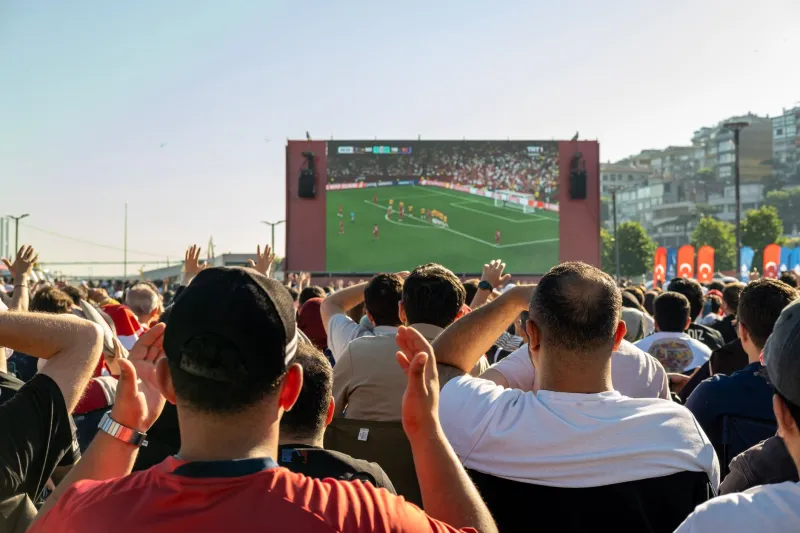
Live sports coverage is built around the ball. That's not a criticism — it's just physics and production logic. You've got one object that roughly 70,000 people in the stadium and several million at home are all tracking simultaneously. The director's job is to keep that object on screen.
The problem? Elite receiver play is specifically designed to punish defenders who track the ball. And by extension, it punishes anyone else watching the same thing — including you, sitting at home, thinking you're seeing the game.
What gets missed: the route stem. The first three to five steps a receiver takes before anyone on the field — let alone in the broadcast truck — knows where he's actually going. This is where the manipulation happens. A great receiver is essentially running a fake route inside the real route, and the broadcast camera is pointed somewhere else entirely.
Some of the most sophisticated route running in the league happens against zone coverage, where a receiver has to identify the coverage shell, adjust his depth, find the soft spot, and settle — all while the quarterback is reading the same defense from a completely different angle. None of that shows up in the highlight package. You just see a guy catch a ball in a weird spot and wonder how the QB knew he'd be there.
He knew because they've had that conversation a thousand times. The broadcast just wasn't invited.
What Separates the Great From the Good
There's a reason Hall of Fame receivers are so difficult to articulate. Jerry Rice, Randy Moss, Marvin Harrison — analysts spend decades trying to explain what made them different, and the answers always feel slightly incomplete. Separation numbers, yards per route run, contested catch rate. The data helps, but it doesn't close the gap.
The gap is the ghost route. It's the ability to run something that looks like the designed play while simultaneously communicating an entirely different option to the quarterback. It's a second language that only two people on the field share, and it's essentially invisible to everyone else in real time.
Modern receivers with elite route-running reputations — your Tyreek Hills, your CeeDee Lambs — don't just run fast. They run specifically. Every break is timed to a fraction of a second. Every head fake is calibrated to a particular cornerback's tendencies, often based on film study that would make a law school student feel underprepared.
When a receiver does something unexpected mid-route and it works, the broadcast team calls it instinct or chemistry. What it actually is: a pre-negotiated deviation from the script that both the receiver and quarterback agreed on before the snap, or in some cases, communicated with nothing more than eye contact at the line.
The Betting Angle Nobody Talks About
If you're watching games with any kind of investment — financial or otherwise — this stuff matters more than you might think. Player prop markets are increasingly sophisticated, but they're still largely built on surface-level production numbers. Targets, receptions, receiving yards.
What those markets don't fully price in is route participation quality. A receiver running 10 routes where he's the primary read four times is a fundamentally different betting proposition than one who runs 10 routes as a decoy or check-down option. The target share doesn't tell you that. The broadcast definitely doesn't tell you that.
Advanced tracking data — the kind that's slowly making its way into public-facing analytics — is starting to illuminate how often a receiver is open versus how often he's targeted. That gap is where the ghost routes live. A guy who creates separation consistently but doesn't get the ball because the quarterback is looking elsewhere? He's running routes that work. The box score just doesn't care.
For bettors paying attention to next-gen stats and route-level data, this is genuinely exploitable information. The market prices the result. The smart money prices the process.
What You Can Actually Watch For
If you want to start seeing the invisible game, here's where to focus during your next Sunday stream:
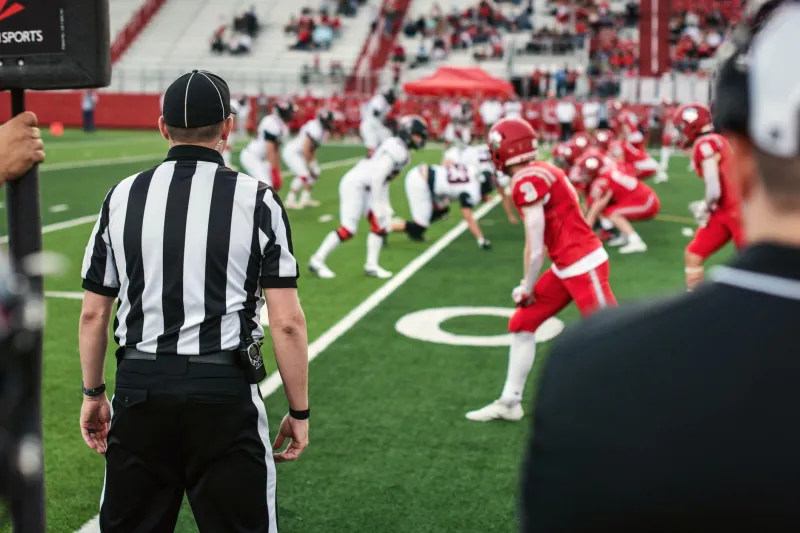
Watch the receiver, not the ball, at the snap. Give yourself three full seconds of watching where a specific wideout goes before you follow the quarterback's eyes. You'll start noticing the hesitation steps, the false stems, the way good receivers create leverage before the ball is even out.
Look for the route that didn't get thrown to. On any given pass play, there are multiple routes running simultaneously. When the camera follows the completion, someone else just finished running a ghost route nobody will ever see. If you can catch a replay with the all-22 angle — increasingly available through NFL Game Pass — you'll start noticing how often those off-ball routes were wide open.
Notice how defenses react to nothing. A cornerback who bites on a double-move and gets beat isn't just unlucky. He got manipulated by a sequence of movements that were designed specifically for him, based on tendencies he probably doesn't even know he has.
The Broadcast Gap Is Getting Wider
As the game gets more sophisticated, the gap between what's happening on the field and what the broadcast communicates is actually growing. Teams are more creative. Receivers are more technically refined. And the average TV production hasn't fundamentally changed how it covers these moments in decades.
That's where platforms built around real-time access and deeper coverage start to matter. The future of watching football isn't just faster highlights — it's layered information that meets fans where their curiosity actually lives.
The ghost routes are real. They're running every single Sunday. And the more you know how to look for them, the more of the actual game you're actually watching.