Out of Frame, Out of Mind: How NFL Defenses Are Hiding Their Best Tricks From Everyone Watching
You're watching Sunday football, a third-and-seven situation, and the quarterback drops back, hesitates, then throws into coverage like he completely missed someone lurking near the sticks. The announcers call it a bad read. The quarterback looks rattled walking back to the huddle. But here's the thing — it probably wasn't a bad read at all. It was a setup. And the camera you were watching it through never showed you why.
This is the quiet arms race happening inside NFL defensive coordinator rooms right now. Teams aren't just scheming against opposing offenses anymore. They're scheming against the broadcast.
The Camera Can't Be Everywhere
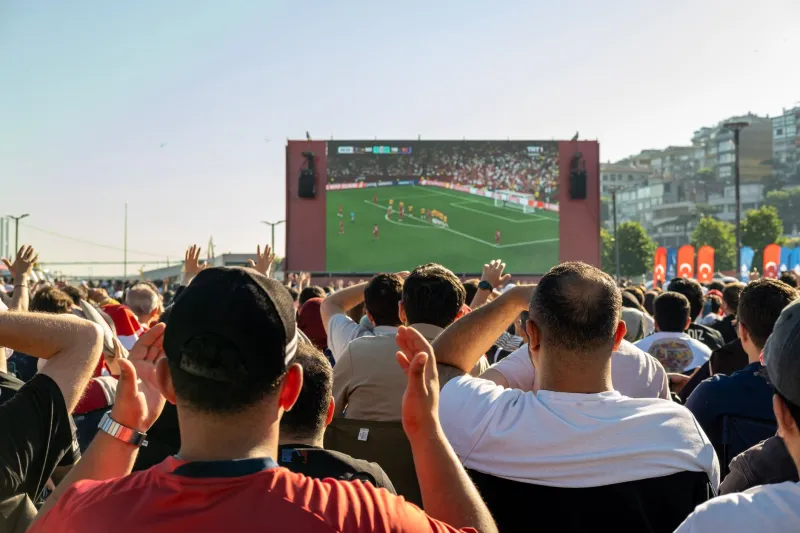
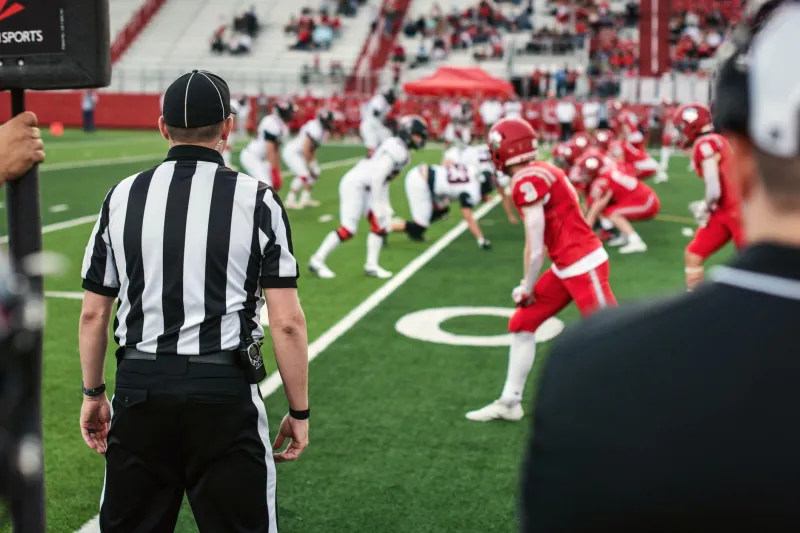
Broadcast networks have a fixed problem. The standard TV angle — that wide shot from behind the offense, hovering somewhere above the line of scrimmage — is designed to show you the quarterback, the skill positions, and the general shape of the play. It's a good angle for casual viewing. It's a terrible angle for understanding what a defense is actually doing.
The typical broadcast frame captures roughly 40 to 50 yards of horizontal field width at any given moment. That sounds like a lot until you realize a modern NFL formation can spread personnel across the full 53.3-yard width of the field. Something is always getting cut off. And defensive coordinators — especially the sharp ones — have spent years cataloging exactly what gets cut off and when.
Safeties who creep into the box late are often outside the frame until the snap. Cornerbacks playing off coverage on the boundary side can disappear entirely depending on which hash the ball is spotted on. Linebackers walking toward the line of scrimmage but never committing — the ones who trigger a pre-snap hot route — frequently don't make it into frame until half a second after the ball is already moving.
None of this is accidental anymore.
The Phantom Alignment Game
Here's where it gets genuinely fascinating. Several defensive staffs — and coaches around the league will quietly confirm this if you catch them off the record — have started using what you might call "phantom alignments." A defender lines up in a position that looks like one coverage from the center of the field but communicates something completely different to the players on the boundary.
From the quarterback's perspective, pre-snap reads are everything. You scan the field, you identify what the defense is showing, and you make your decision before the ball is even snapped. But if a cornerback is playing off-coverage on the left boundary — outside the broadcast frame — the quarterback can't confirm what he's seeing in the middle of the field. He's working with incomplete information.
Now imagine that cornerback is actually playing press-bail technique, designed to look like off coverage from 10 yards away but capable of rotating into a Cover-2 shell at the snap. The quarterback, reading the middle of the field and trusting his pre-snap keys, throws to the boundary expecting a soft cushion. The corner who was supposedly playing off is already rotating. The safety who looked like he was playing center field is now driving downhill.
Interception. Or at best, an incompletion that looks like a quarterback mistake on the highlight reel.
What You're Actually Betting On When You Watch
This matters beyond just appreciating defensive football. If you're betting on NFL games — and a whole lot of people watching on platforms like FirstKick Live absolutely are — the broadcast angle problem is something you should be thinking about seriously.
Point spread bettors, prop bettors, and live in-game bettors are all making decisions based on what they're seeing on screen. If a quarterback looks like he's struggling with his reads, the live line might shift toward the defense. But if that struggle is manufactured — if the defense is deliberately exploiting the broadcast blind spot to make routine confusion look like a quarterback meltdown — then the line is moving on incomplete information.
Sharp bettors have started incorporating all-22 film analysis into their models specifically because the broadcast angle lies. The all-22 camera, which the NFL makes available to coaches and eventually to the public, shows the entire field at once. It's the closest thing to the truth that exists on video. The gap between what the broadcast shows and what the all-22 reveals is essentially a market inefficiency — and the teams that understand it are exploiting both opposing offenses and the people betting against them.
The Coordinators Doing It Best
Without calling anyone out specifically — because these guys don't exactly advertise their methods — there are a handful of defensive coordinators around the league who have built their entire identity around this kind of layered deception.
The best ones share a few traits. They use a lot of two-high safety looks pre-snap that convert into single-high at the snap, specifically because that rotation happens outside the broadcast frame. They deploy boundary corners in unconventional alignments that look like busted coverage from the press box but are actually designed to manipulate quarterback eye discipline. And they move defenders late — really late, sometimes after the play clock hits two seconds — so the offense barely has time to process the shift before the ball is snapped.
The result is a defensive scheme that looks chaotic on TV and looks brilliant on all-22. That gap is the whole point.
Can Broadcasting Catch Up?
Some networks have started experimenting with wider angles and split-screen presentations during key downs. Amazon's Thursday Night Football coverage has pushed further into this territory than anyone else, occasionally cutting to a wider shot that shows the full defensive backfield. It's a step in the right direction, but it creates its own problem — wider shots lose the detail that makes individual route running and coverage technique legible.
The honest answer is that broadcast television probably can't fully solve this. The angles that make football watchable are not the angles that make football understandable. Those are two different products, and right now the industry is still trying to serve both with the same camera.
Streaming platforms have more flexibility here. Alternate feeds, selectable camera angles, and real-time telemetry overlays are all technically possible and increasingly expected by younger audiences who grew up gaming and watching film breakdowns on YouTube. The question is whether rights holders and distributors move fast enough to make it happen before the audience gets comfortable finding workarounds on their own.
The View From the Field
Meanwhile, defensive coordinators are going to keep doing what they're doing. The broadcast blind spot isn't going away tomorrow, and the smartest ones in the league know it. Every week, on fields across the country, there are defenders lining up in positions that will never make it into your TV frame — positions that exist specifically to confuse the guy under center and, by extension, everyone watching at home.
Next time a quarterback makes what looks like an inexplicable decision, take a second before blaming the read. Ask yourself what was happening outside the frame. Chances are, someone on the other sideline already knew exactly what you were going to see — and planned the whole thing around it.