They Already Know They're Coming Out: The Secret Language of Elite Substitutions
Watch a substitution happen in any top-flight soccer match or NFL game and you'll probably see the same thing: a number goes up, a player jogs off, someone else runs on. Clean. Simple. Routine. What you almost certainly won't see is the conversation that already happened — the one that took place without a single word, sometimes five or ten minutes before the board ever gets raised.
Elite teams don't communicate substitutions the way the rest of us think they do. By the time the fourth official holds up that illuminated display, the outgoing player has already mentally clocked out, already shifted their positioning to protect themselves from injury, already started the cool-down process in their head. The decision was telegraphed earlier — through a glance, a hand gesture from the bench, a shift in how the coaching staff is standing. It's a whole language, and most fans watching on a stream have zero idea it's being spoken.
The Glance That Says Everything
Former MLS midfielder Carlos Orozco — who spent eight seasons across three clubs before transitioning into a youth coaching role — describes it as something you learn almost by accident early in your career.
"The first time a coach really locked eyes with me from the bench, I thought he was checking on me," Orozco says. "Then he did it again thirty seconds later. That second look — that's the look. You know. You start managing yourself differently."
That "managing differently" is a crucial piece of the puzzle. Once a player gets the signal — however subtle — they instinctively begin protecting themselves. They stop sprinting into challenges that could result in injury. They avoid positioning themselves in spots where they might have to make a full-speed cut. Coaches actually want this behavioral shift to start early, because it reduces injury risk in the final minutes of a player's time on the field.
The look itself isn't standardized. Every coaching staff develops its own version. Some use a sustained stare. Some combine eye contact with a slight chin lift. Others have coaches on the bench who stand up in a particular way that only players conditioned to notice it will catch.
Hand Signals Hidden in Plain Sight
Not every communication runs through the head coach. In soccer especially, assistant coaches and fitness staff on the sideline act as relay stations, passing along information using signals that look completely mundane to anyone not in the loop.
A towel draped over a shoulder a certain way. A water bottle handed to a ball boy with the cap facing a specific direction. A fitness coach who crosses their arms differently depending on which player is being messaged. These aren't conspiracy theories — former coaching staff members across multiple leagues have described variations of exactly these systems when talking about in-game communication.
"You can't be shouting across a stadium," explains one former assistant coach who worked in the lower tiers of the USL before moving into a front office role. "And you don't want the other team knowing what you're planning. So you develop shorthand. After a few weeks of training camp, your players read it like a second language."
In the NFL, the communication channels are more structured because of the radio systems built into helmets — but even there, nonverbal cues carry weight. A wide receiver might notice that the sideline coach responsible for substitutions has started tracking them specifically, making eye contact on every play rather than scanning the whole field. That shift in attention is itself a message.
Positioning as a Telegraph
One of the more sophisticated signals involves where a player positions themselves on the field as a substitution approaches. This is something that happens almost automatically once players have enough experience, but it's also something coaching staffs actively teach.
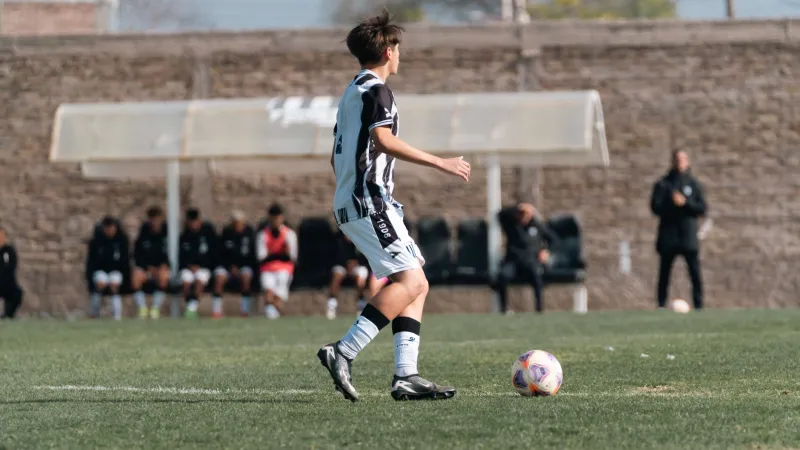
If a midfielder in a soccer match is about to come off, they'll often drift slightly toward the nearest sideline in the minutes before the substitution. It's subtle enough that opponents don't read it as disengagement, but it shortens the distance they need to cover to reach the touchline. On the broadcast, it looks like a tactical positioning choice. It's actually a player self-organizing for an exit that's already been decided.
Similar patterns show up in football. A running back who's going to be rotated out might start lining up a half-step closer to the sideline, not enough to draw a penalty or tip off the defense, but enough that when the play ends, they can be at the bench in a couple of strides instead of having to jog across the field.
The Bench as a Communication Hub
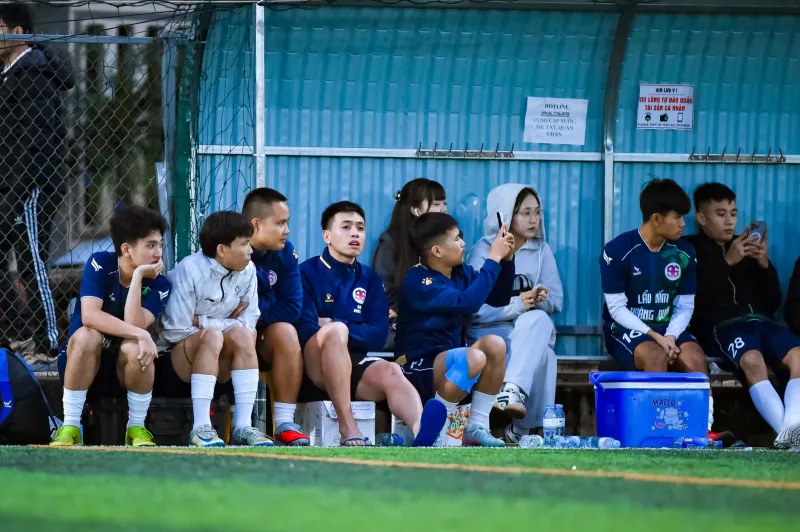
Watch a bench closely during a tight game — not the head coach, but the players sitting on it — and you'll start to see activity that seems random but isn't. Players warming up are doing more than loosening their muscles. They're being positioned deliberately.
When a player starts their second warm-up run along the sideline, that's often a signal to the player on the field. It means the decision has been made, not just considered. The first warm-up might be exploratory — the coach is thinking about it, keeping options open. The second one is the tell.
Orozco confirms this from his playing days. "If I saw a guy start his second run warming up, I knew. Didn't matter if the board wasn't up yet. I'd start managing my energy, start looking for a moment to drift toward the line without being obvious about it."
Why Casual Viewers Never Catch It
Part of the reason this whole system stays invisible is that broadcast cameras aren't designed to capture it. Directors cut to the bench occasionally, usually after a goal or a controversy. The sideline gets a moment of attention when a substitution is officially made. But the five-minute window leading up to that moment — where all the actual communication is happening — almost never makes it to your screen.
Streaming platforms like FirstKick Live that carry multi-angle coverage give viewers a slightly better shot at catching some of this, but you'd have to know exactly what you're looking for. And most fans don't, because no one talks about it.
The teams that execute substitutions most seamlessly — clubs like those in the top tiers of MLS, or NFL franchises with deep coaching continuity — aren't just making better decisions about when to substitute. They're better at communicating those decisions invisibly, reducing the disruption to their players' mental states and physical preparation.
The Language You Can Learn to Read
Once you know what to look for, you genuinely cannot unsee it. Next time you're watching a match, pick a moment around the 60th or 65th minute and shift your attention away from the ball. Watch the bench. Watch the fitness staff. Watch which players on the field are drifting slightly toward the sideline without any obvious tactical reason.
You'll start catching the conversation that was always happening. The language was never hidden — it was just never explained.