Sleight of Hand on the Sideline: How Coaches Pull Off Substitutions You Never See Coming
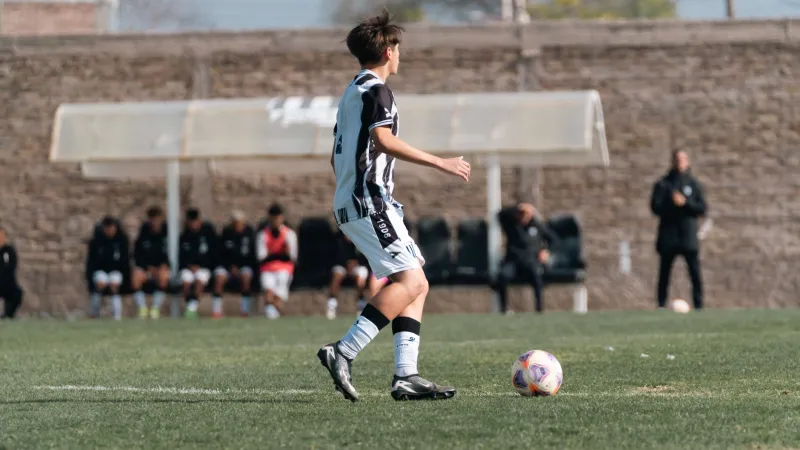
There's a moment in almost every close game — football, soccer, doesn't matter — where you look up at the screen and suddenly a player you didn't expect is out there. The broadcast cuts to a wide shot. The crowd's going nuts over something that just happened. And quietly, almost invisibly, a coaching staff just rewired the entire game.
These aren't accidents. They're not spur-of-the-moment gut calls. The best coaches in the world have turned the substitution into a weapon, and most casual viewers never even see it loaded.
The Window Nobody Watches
Here's the thing about live sports coverage: cameras follow the ball. Always. Which means the sideline — where the real chess match is happening — gets maybe 10 seconds of airtime for every five minutes of gameplay. Coaching staffs know this. They've built entire substitution strategies around it.
In MLS and the top European leagues, personnel changes often get waved through during corner kick setups, goal kick delays, or the chaos right after a yellow card. The referee is occupied. The broadcast director is focused on the drama. And a midfielder who's been quietly tracking the opposing striker's tendencies for 60 minutes walks off while a fresh set of legs — specifically chosen for the next 20 minutes of the game plan — strolls on.
By the time the camera swings back to show the full lineup, the switch has already happened. You missed it. But the other team's coach? He didn't.
Manufactured Delays and the Art of the Fake Injury
Let's talk about something that makes purists uncomfortable: the strategic slowdown. Whether it's a player going down to one knee to "cramp up" or a goalkeeper taking three extra seconds to place the ball, coaches use every available second to get the right personnel onto the field without tipping their hand.
In the 2023 US Open Cup, there were multiple instances where a team's defensive shape changed completely during a supposed injury stoppage. The player who "needed attention" jogged off two minutes later, perfectly fine, and the team's entire pressing structure had shifted. The opposing coaching staff was caught flat-footed because they were focused on the medical staff, not the tactical adjustment happening right behind them.
This isn't cheating. It's gamesmanship. And it's been happening at the highest levels of the sport for decades. The timeout in football serves the same purpose — it's not always about stopping the clock. Sometimes it's about getting your third-down specialist onto the field before the defense can make their own adjustment.
Personnel Groupings as a Misdirection Tool
In the NFL, the substitution game has evolved into something almost algorithmic. Offensive coordinators will send in a specific personnel package — say, a 12 personnel (one running back, two tight ends) — not because they intend to run a traditional play, but because they want to see how the defense responds. If the defense brings in their base linebackers, you go play-action. If they sub in nickel, you hand it off.
The substitution itself is the signal. It's a data-gathering tool disguised as a roster move.
Soccer coaches have their own version of this. Bringing on a second striker late in a game doesn't always mean you're going all-out for a goal. Sometimes it's about stretching the defensive line to open up space for a deeper-lying midfielder who's been invisible for 70 minutes. The sub you see isn't the move that matters — it's what the sub forces the other team to do that counts.
The Rotation You Never Knew Changed the Game
Let's get specific. During the 2022 MLS Cup Playoffs, LAFC's coaching staff made a double substitution in the 67th minute that most broadcast viewers caught as a graphic at the bottom of the screen. Two names. Two numbers. Blink and you missed it.
What those two changes actually did was shift the team from a high-press, energy-intensive structure to a more compact mid-block that was specifically designed to neutralize the opposing team's wide attackers. The tactical shift wasn't visible in the personnel names — it was visible in the positioning. And if you weren't watching for it, you had no idea why the game suddenly felt different.
That's the point. The best substitutions don't announce themselves. They just quietly change everything.
Why This Matters for What Happens Next
If you're watching a game on FirstKick Live and you want to actually understand what's coming — not just react to it — pay attention to the sideline during stoppages. Watch who's warming up. Notice which player has been on the field for 70-plus minutes and is starting to slow down on defensive transitions. That's the player who's coming off next, and whoever replaces them is going to tell you everything about what the coaching staff is planning for the final third of the game.
In soccer specifically, the timing of a substitution relative to the scoreline is enormously telling. A team that makes a change in the 55th minute while tied is playing a different game than one that waits until the 75th. The early swap signals aggression — a coach who thinks they can win it, not just protect a draw. The late change is damage control dressed up as tactics.
Betting markets move on substitutions for exactly this reason. Sharp bettors aren't waiting for goals. They're watching the bench.
Watching the Game Behind the Game
The broadcast will always show you the ball. That's what most people want to see, and that's what gets clicks and keeps eyes on the screen. But the coaches — the ones actually deciding who wins and who doesn't — are operating in the spaces between the action.
Next time you're locked into a match, try this: when play stops, don't watch the replay. Watch the sideline. See who's pulling a player aside. Notice which warm-up jackets are coming off. Count the fingers a coach is holding up at his bench.
The substitution you see coming is rarely the one that changes the game. It's the one you almost missed — the swap that happened during a crowd roar, a camera cut, or a two-second graphic — that you'll be talking about afterward, wondering how the whole thing shifted so fast.
That's not luck. That's the best coaches in the world doing exactly what they're paid to do. And now you know where to look.