Scoreless in the Red Zone: The NFL's Biggest Statistical Puzzle and the Analytics Teams Cracking It
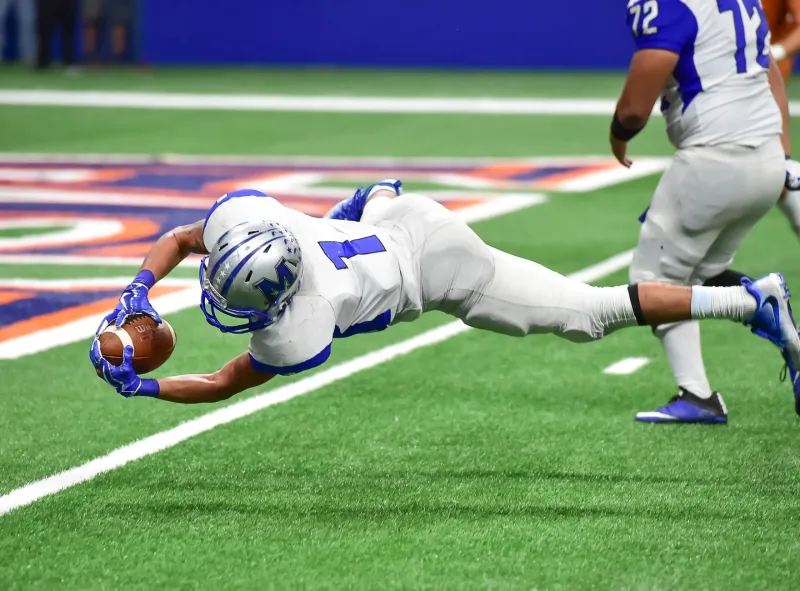
You've seen it a thousand times. Your team drives 60 yards in what feels like five minutes — crisp routes, a scrambling quarterback, maybe a big third-down conversion — and then they cross that invisible threshold at the 20-yard line. Suddenly, it's three incomplete passes and a field goal. The crowd groans. The announcers say something vague about "execution." You refresh your sports app and question every life decision that led you here.
Welcome to the red zone paradox.
It's one of the most counterintuitive phenomena in professional football: teams that have already demonstrated they can move the ball efficiently against a defense somehow become less efficient the moment they have the best possible field position. You'd think being closer to the end zone would make scoring easier. The numbers say otherwise — and the analytics community has been obsessing over why for years.
Why the Red Zone Flips the Script
The core issue is compression. When an offense operates between its own 40 and the opponent's 20, it has the full width and depth of the field to work with. Routes can develop. Safeties have ground to cover. Defensive coordinators have to respect the deep ball, which opens up the intermediate game underneath.
Once you're inside the 20? That all evaporates.
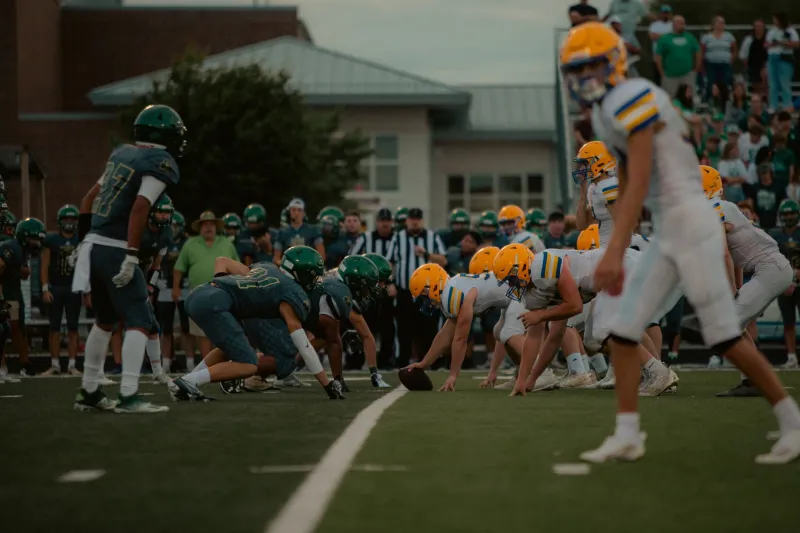
The field shrinks to a box. Corners can play tighter coverage without worrying about getting beat over the top. Linebackers can crowd the line of scrimmage without surrendering huge chunk plays. Defensive coordinators who spent the first three quarters playing chess suddenly get to play checkers — and they're very, very good at checkers.
According to NFL Next Gen Stats data from recent seasons, league-wide touchdown conversion rates inside the red zone hover somewhere around 57-60%. Sounds decent until you realize that means roughly four out of every ten red zone trips ends with three points or zero. In a league where games routinely come down to a single possession, that gap between touchdowns and field goals is the difference between playoff runs and early offseasons.
The Data Problem Nobody Was Solving (Until Recently)
For a long time, the NFL's analytical response to red zone struggles was almost embarrassingly basic. Teams would review tendencies from previous weeks, build static game plans, and then essentially hope their personnel was better than the other guy's. Play-calling in the red zone was largely instinct-driven — what does the coordinator feel like the defense is expecting?
Feeling is a terrible analytical tool.
What's changed over the last several seasons is the integration of real-time data modeling into sideline decision-making. Teams like the San Francisco 49ers, Kansas City Chiefs, and Philadelphia Eagles have invested heavily in systems that can ingest defensive alignment data as a drive is happening and surface play suggestions that account for what the opposing defense has shown in similar situations that very game — not just historically.
Think about what that actually means. You're on the opponent's 14-yard line, second and goal. Your offensive coordinator isn't just drawing on a week's worth of film study anymore. He's got a system telling him that this particular safety has cheated toward the boundary on the last three red zone snaps, and that the corner on the left side has been beaten twice on back-shoulder fades in tight coverage. That information exists in the moment. Acting on it is the difference between a touchdown and a chip shot that still only gets you three.
Defensive Coordinators Aren't Standing Still
Here's the wrinkle that makes this a genuine arms race rather than a solved problem: defensive coaches are doing the exact same thing.
The best defensive coordinators in the league — think of guys like Vic Fangio's disciples or the defensive staff the Baltimore Ravens have built — are running their own situational models. They know which plays opposing offenses lean on in the red zone. They know which quarterbacks have a tendency to stare down their first read under pressure. They're adjusting coverage shells in real time based on the same kind of alignment data the offense is trying to exploit.
This is why red zone efficiency can swing so dramatically from week to week for the same team. It's not always execution. Sometimes it's a defensive coordinator who did his homework on your analytics.
The Betting Angle You Shouldn't Ignore
If you're watching games on FirstKick Live with one eye on your betting app — and a lot of you are — red zone efficiency is one of the most undervalued metrics in the market right now.
Sportsbooks price totals and team scoring props heavily on overall offensive efficiency metrics like yards per play and points per game. What they're slower to adjust for is situational efficiency shifts. A team that's been converting red zone trips at 70% for six weeks but quietly dropped to 48% over the last two is carrying real scoring risk that the market hasn't fully priced in yet.
Live betting makes this even more interesting. If you can watch a team's red zone body language in real time — their route concepts, how the defense is shading, whether the quarterback looks comfortable or rushed — you have an edge that a line set hours before kickoff simply doesn't account for.
Which Teams Are Actually Winning This Battle
The Chiefs have been the most consistent red zone offense in football over the past half-decade, and it's not entirely because of Patrick Mahomes (though, obviously, Patrick Mahomes). Their play-calling staff has built a reputation for creative pre-snap motion and formation variety that forces defenses to declare their coverage before the snap — eliminating one of the defense's biggest red zone advantages.
The Eagles under their current offensive structure have leaned hard into the run game in the red zone, which sounds old-fashioned until you realize they're using analytics to identify exactly which run concepts work against specific defensive fronts in compressed spaces. It's not power football for the sake of it. It's data-informed physicality.
On the other side, teams that have struggled — and you can identify them easily by looking at their field goal rate on red zone trips — tend to be teams still relying on the same passing concepts that work in the open field. The red zone isn't the open field. Treating it like it is will get you a kicker's stats and a frustrating afternoon.
The Paradox Isn't Going Away, But It Is Getting Smaller
The teams that crack the red zone code aren't doing it by being smarter than everyone else in some abstract sense. They're doing it by getting more specific, faster. Real-time data, situational modeling, and the willingness to override coordinator instinct with actual evidence — that combination is slowly shrinking the gap between red zone trips and touchdowns.
For fans watching every snap live, it's one of the most fascinating tactical battles in sports. For bettors, it's an ongoing market inefficiency worth tracking. And for the teams still leaving points on the field inside the 20?
The clock is ticking.