The Angle You Never See: How Broadcasters Keep Missing the Moment That Matters
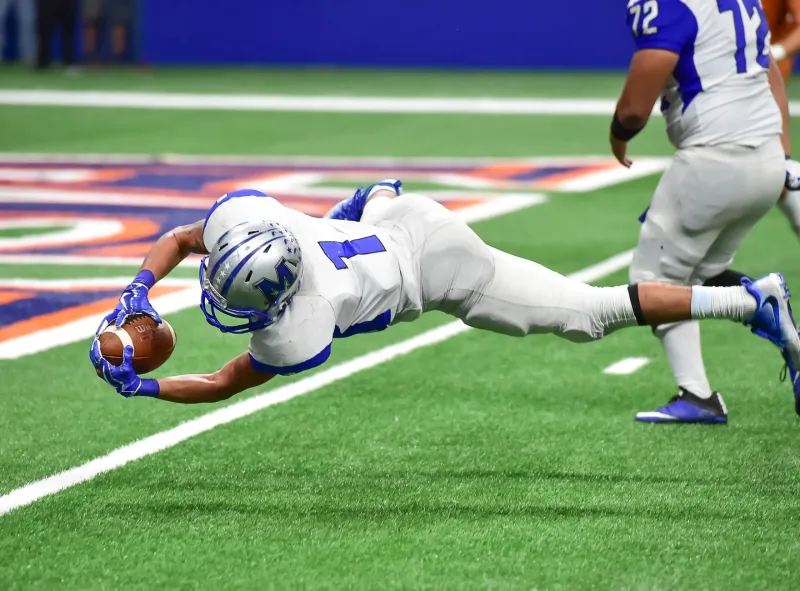
You've been there. A wide receiver makes a jaw-dropping one-handed grab in the back of the end zone, the crowd goes nuclear, and then — here comes the replay. Except it's the wide shot from the upper deck. You can barely tell if his feet were inbounds. The network cycles through two more angles that somehow manage to show everything except what you actually want to see, and by the time they finally land on the right camera, the broadcast has already moved on to a commercial for truck insurance.
This isn't a fluke. It happens constantly, across every sport, on every major network. And there's a surprisingly complicated reason for it.
What's Actually Happening Inside the Broadcast Truck
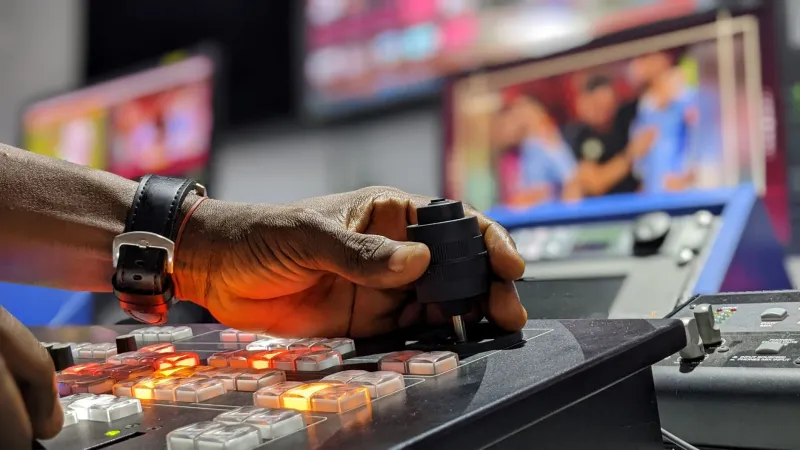
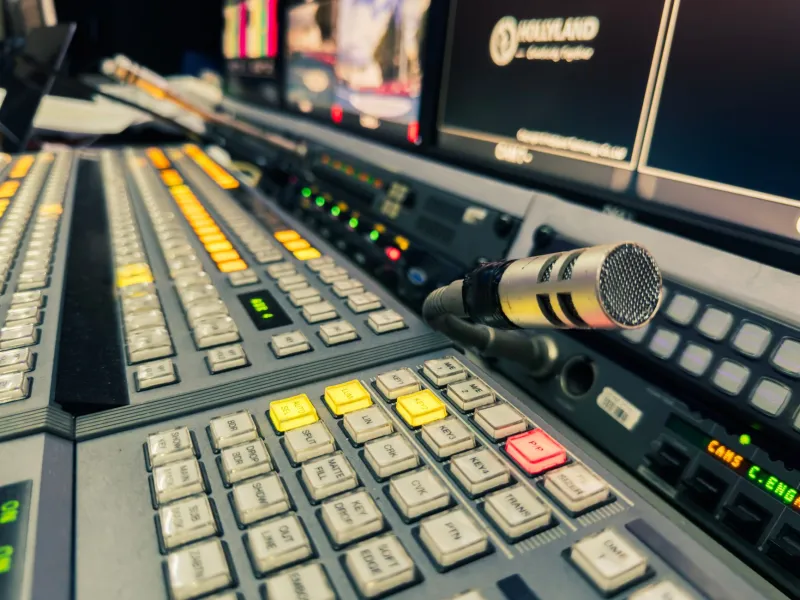
When a big moment goes down on the field, there isn't some genius sitting in a control room who instantly knows which of the 20-plus camera feeds is the definitive angle. Instead, a replay operator — usually one person managing a firehose of simultaneous feeds — has to identify the moment, tag it, queue it up, and hand it off to a producer who's already dealing with three other things at once.
The average NFL or MLS broadcast is working with somewhere between 12 and 30 camera positions depending on the venue and the network's budget. That sounds like plenty of options. The problem is that not all of those feeds are being recorded at the same quality, not all of them are immediately accessible in the replay buffer, and the person making the call on which angle to use has about four seconds to decide before the broadcast rhythm demands something go to air.
So you get the safe choice. The wide shot. The angle that's always queued up, always clean, always technically acceptable — and almost never the most revealing view of what just happened.
The Editorial Trap Networks Can't Escape
Here's where it gets even more frustrating. Even when the right angle exists, it doesn't always make it to your screen during live play. A lot of that comes down to editorial hierarchy — the decisions baked into a broadcast before the game even starts.
Networks pre-assign camera roles. Camera one is your primary game action feed. Camera two handles the sidelines. Camera three is the quarterback cam. These assignments make sense for the flow of a live broadcast, but they create blind spots. If the most important thing that just happened was a defensive lineman's footwork on a double-team block — something that only the end zone camera captured cleanly — that feed may not even be in the replay operator's primary queue.
Add to that the fact that some of the most analytically rich camera angles (the all-22 style overhead view, for instance) are often contractually restricted from being shown to broadcast audiences during live games. The NFL famously kept that footage away from fans for years. The idea was that giving viewers a full-field view would somehow demystify the game. What it actually did was leave millions of fans watching football through a keyhole.
Where AI and Multi-Feed Platforms Change the Game
This is exactly the kind of problem that modern streaming infrastructure is built to solve — and where platforms like FirstKick Live have a real structural advantage over legacy broadcasters.
The traditional network model is linear. A human chain of decisions has to execute in real time, under pressure, with limited visibility into what every camera is capturing simultaneously. AI-assisted angle selection flips that model entirely. Instead of one person scanning feeds, machine learning systems can monitor every active camera simultaneously, flag the highest-value replay candidates within milliseconds of a play ending, and surface the definitive angle before a human producer has even finished their sentence.
When you pair that with a platform that's already ingesting multiple live streams — rather than a single broadcast signal — you get something traditional TV simply can't offer: genuine choice. The ability to pull up the end zone camera yourself, rewind the wide receiver's route from the safety's perspective, or watch the goalkeeper's positioning on that set piece from an angle the main feed never touched.
Why This Matters More Than You Think
For casual fans, missing the best replay angle is annoying. For bettors, it's potentially costly. Live wagering on player props and in-game lines has exploded in the US market over the last three years, and the quality of what you can see in real time directly affects your ability to make informed decisions.
If you're betting on whether a receiver made a clean catch or whether a goalkeeper was out of position for a set piece goal, watching a blurry wide shot that cuts away after two seconds isn't just frustrating — it's a genuine information disadvantage. The sportsbook's trading desk has access to better data than you do. The least a streaming platform can do is give you the visual tools to close that gap.
There's also the pure fan experience argument. Sports are storytelling. Every great play has a definitive angle — the view that captures what made it remarkable. Denying fans that view in the moment, because of workflow bottlenecks that have existed since the analog era, is a failure of the medium.
The Fix Is Already Here — Networks Just Aren't Using It
The technology to solve this problem isn't theoretical. Multi-feed ingestion, AI-powered clip tagging, and viewer-controlled angle selection all exist right now. The barrier isn't technical — it's institutional. Legacy broadcast infrastructure is expensive, deeply entrenched, and optimized for a distribution model that predates streaming by decades.
The good news for fans is that the competitive pressure from digital-first platforms is starting to force the issue. As more viewers migrate away from traditional broadcasts and toward on-demand, multi-angle streaming experiences, networks are going to have to either adapt their replay workflows or keep losing the audience that cares most about what they're watching.
Until that happens, the ghost in the machine — that perfect angle sitting in a buffer somewhere, unaired and invisible — is going to keep haunting your viewing experience. But it doesn't have to.