What the First Play Tells You: Reading a Team's Entire Strategy in 60 Seconds
There's a moment — blink and you'll miss it — that happens every single game before anyone has broken a sweat or the crowd has fully settled in. The ball moves. One team makes a decision. And for anyone paying close attention, an entire game plan just announced itself.
Welcome to the chess match that most fans never know is happening.
The Opening Possession Is a Confession
Coaches at every level will tell you the same thing: the first series of plays is rarely improvised. It's rehearsed, deliberate, and loaded with intent. Whether it's an NFL offense trotting out in 12-personnel on the opening snap or an MLS side playing the ball back to the goalkeeper on kickoff, those early choices carry enormous amounts of information.
"You can tell within the first three or four plays whether a team is going to try to control tempo or push pace," said one defensive coordinator at the college level who has since consulted for an NFL franchise. "The formation, the personnel grouping, the route concepts — it's all a signal. And if you're not reading it immediately, you're already behind."
In the NFL, this kind of opening-play scouting has become almost ritualistic. Offensive coordinators script their first 15 to 25 plays before the game even kicks off. That's not a secret. What is a secret — or at least an underappreciated detail — is how much defensive staffs invest in predicting what those scripted plays will be, using weeks of film study and pre-snap tendencies.
What Analysts Are Actually Watching For
On the soccer side, the opening kickoff in MLS has evolved into something far more tactically revealing than the simple formality it used to be. Teams like Inter Miami and the LA Galaxy have, in recent seasons, used their kickoff possession to immediately telegraph their pressing triggers and high-line intentions.
When Inter Miami lined up in a compact 4-3-3 and immediately pressed high on their opening possession in a late 2023 regular season match against Columbus Crew, it wasn't accidental aggression — it was a deliberate statement. They were communicating: we're not sitting back tonight. Columbus adjusted. It took them nearly 20 minutes to find their rhythm, and by then, Miami had already set the psychological tone.
Sports analysts watching in real time are looking at a handful of specific indicators:
- Defensive shape width: Is the team compressing centrally or spreading wide? This tells you whether they're trying to force play through the middle or protect wide channels.
- Pressing triggers: Who moves first? Which player initiates pressure, and at what line on the field?
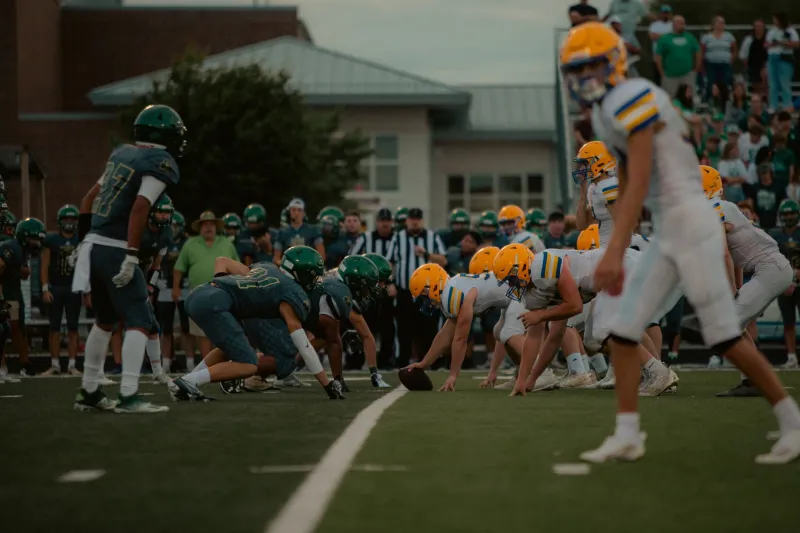
- Personnel groupings (NFL): Three receivers on the field immediately? You're looking at a spread-first offense that wants to create space. Two tight ends? They want to establish physicality early.
- Ball movement direction: In soccer, does the team immediately switch the field or play through the center? That first pass sequence reveals their preferred build-up pattern.
The NFL's Opening Script: A Double-Edged Sword
In American football, the scripted opening drive is both a gift and a vulnerability. Teams prepare meticulously, but that preparation cuts both ways. A sharp defensive coaching staff — think of what the San Francisco 49ers have done under DeMeco Ryans' defensive tutelage or what Mike Vrabel's Tennessee Titans defenses were famous for — can study an opponent's first-play tendencies so thoroughly that they're essentially calling the offense's plays before they happen.
During the 2023 NFL season, multiple teams found their opening drives stalling not because of poor execution, but because the defense had identified the scripted tendencies through film work. The opening play had become a tell.
This is why some offensive coordinators have started deliberately planting "noise" in their opening sequences — running a play that looks like their base identity but is actually designed to gather information rather than gain yards. It's a chess move disguised as football.
First Moments, Lasting Momentum
Beyond pure strategy, there's the psychological dimension that numbers can't fully capture. Momentum in sports is real, and it often crystallizes in those first few minutes of action.
Research from sports psychology consistently shows that early success — even a single first down or a clean defensive stop — creates measurable confidence effects that ripple through a team's performance for stretches of the game. A three-and-out on the opening drive doesn't just cost a team field position. It can reset a sideline's energy entirely.
For MLS sides, an early pressing win that leads to a turnover in dangerous territory — even if it doesn't result in a goal — sends a message to both teams. The pressing side learns their approach is working. The defending side starts second-guessing their build-up.
How to Watch the Opening Minutes Like an Analyst
Next time you're watching a match or game on FirstKick Live, try this: ignore the ball for the first 60 seconds. Watch the defensive shape instead. Notice which players are tracking runs and which are scanning for the ball. Look at the spacing between the lines.
Then watch the first possession all the way through. How does the offense respond to what the defense is showing? Do they audible? Do they stick with the script?
By the time the first whistle blows on a foul or the first timeout is called, you'll have a working theory of how this game is going to unfold. You won't always be right — that's what makes sports worth watching — but you'll be watching the same game the coaches are watching.
And that's a completely different sport than the one most people think they're seeing.